



“Facebook recently updated its algorithm, so the numbers are lower than expected.”
“Please wait a few days for the machine learning system to work, then the numbers will be more promising.”
“The pixels need to be trained for a few days before the numbers will come in.”
All three statements above are the result of the unexpected success of advertising platforms that have applied machine learning, and later artificial intelligence (AI), to their advertising campaigns. However, do we truly understand these terms? And is it necessary to wait a few days for campaign data updates?
First, we need to understand the term “machine learning” in advertising. Machine learning is an advertising platform process that uses historical data to target, select ads, adjust bids, etc., based on initial settings to achieve system objectives.
With the above definition, marketers should keep the following in mind:
Initial ad settings for the ad implementer
If the settings are wrong, machine learning will not function correctly. This is a fear for platform owners. Because at this point, the campaign implementer will not assume that the campaign’s lack of results is due to a system problem, nor that their initial setup was flawed.
Therefore, to mitigate this problem, platform owners always emphasize the need to focus on a broad customer base, choose the auto option, invest heavily in creative elements, and let the machine handle the rest. However, doing so will cost you a lot of time and money.
Furthermore, advertising content is the most difficult element to optimize, so if the message isn’t compelling enough, doesn’t align with the target audience’s insights, etc., machine learning won’t help the advertising campaign become more attractive to the target audience.
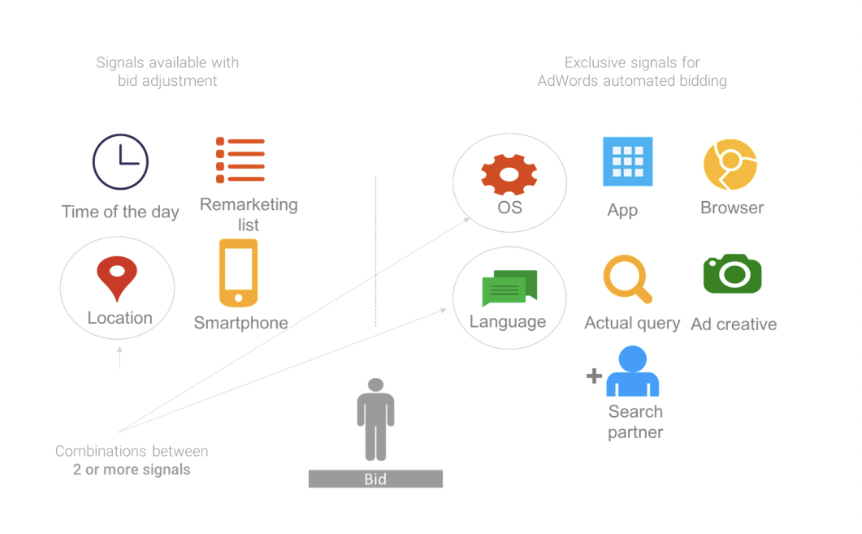
Historical data
The more accurate data you input , the better the machine learning becomes. However, this can be challenging for those who haven’t thoroughly researched the channel. Without a clear understanding of the channel, marketers will struggle to know where to place the code. This can lead to incorrect data settings and prevent the machine learning from optimizing the campaign.
Based on the above factors, we can summarize a few fundamental steps to optimize machine learning in advertising:
- Understand the industry, understand the product, understand the system, and understand customer insight.
- Choose the right channel, select your target audience, and choose messages based on your initial understanding.
- OPTIMIZE DATA by implementing the correct tracking code and finding ways to deliver as much conversion data as possible to the platform. Support machine learning with your own data analysis skills so that you learn alongside the system.
Supporting machine learning with data analysis skills. – Source: PMAX
The above are the basic steps to optimize machine learning/AI in advertising. Each platform will have a different way of implementing tracking. Through this short article, marketers will gain a clearer understanding of the positive changes that machine learning/AI/automation brings when applied to advertising, and it will likely become even more explosive in the future.